

A logo is often the first visual element people associate with a brand. It acts as a symbol, a signature, and a starting point for a broader visual identity. But logo design is not just about creating something that looks good—it is about building meaning, recognition, and consistency.
What Makes a Good Logo?
A successful logo is simple, memorable, and versatile. It should work across different formats and sizes, from a website header to social media icons or printed materials.
Clarity is key. A strong logo communicates the essence of a brand without unnecessary complexity. The most effective designs are often the ones that feel effortless and timeless.
Logo as the Core of Branding
While a logo is just one part of a brand, it often serves as the foundation for the entire visual system. Colors, typography, and graphic elements usually evolve from the logo design.
A well-crafted logo helps establish:
- Brand recognition
- Visual consistency
- Emotional connection with the audience
It becomes a reference point for all future design decisions.
The Design Process
Designing a logo involves much more than sketching ideas. It requires research, strategy, and exploration. Understanding the brand’s values, target audience, and positioning is essential before starting any visual work.
The process typically includes:
- Research and concept development
- Sketching and experimentation
- Digital refinement
- Testing across different applications
This approach ensures that the final result is both creative and meaningful.
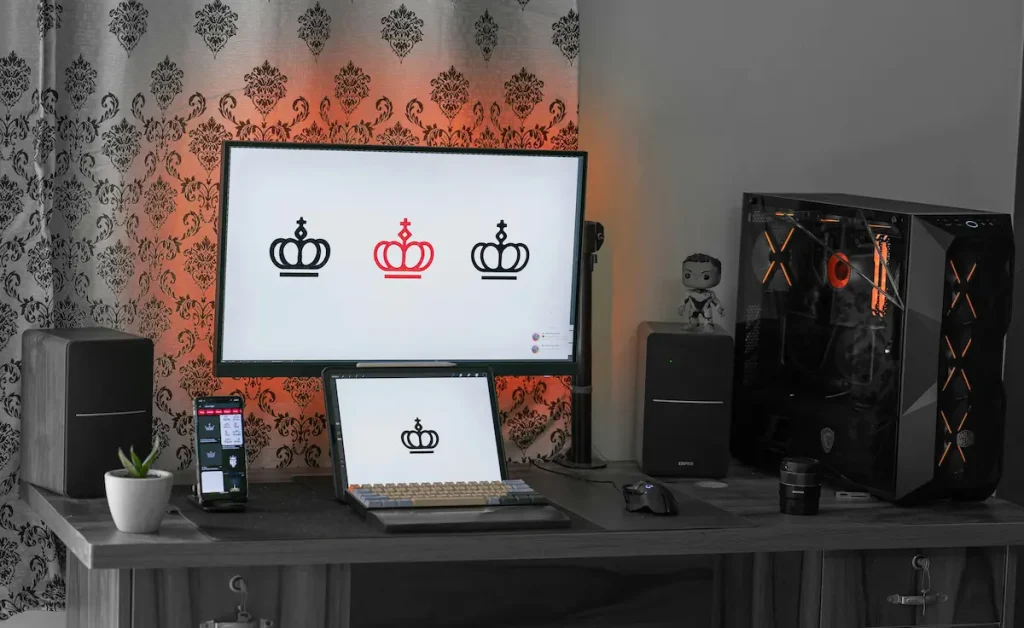
Balancing Creativity and Strategy
A logo must be visually appealing, but also functional and strategic. It should align with the brand’s message and work effectively in real-world contexts.
Trends can be inspiring, but timelessness is more valuable. A logo should remain relevant over time, avoiding designs that may quickly feel outdated.
Consistency Builds Strong Brands
Once a logo is created, consistency becomes essential. Using the logo correctly across all platforms strengthens brand identity and builds trust.
This includes maintaining:
- Correct color usage
- Proper spacing and proportions
- Consistent application across media
A clear brand guideline helps ensure this consistency.
Conclusion
Logo design is a fundamental part of branding. It goes beyond aesthetics to create a visual identity that represents a brand’s values and personality. When combined with a strong branding strategy, a logo becomes a powerful tool for recognition and connection.