
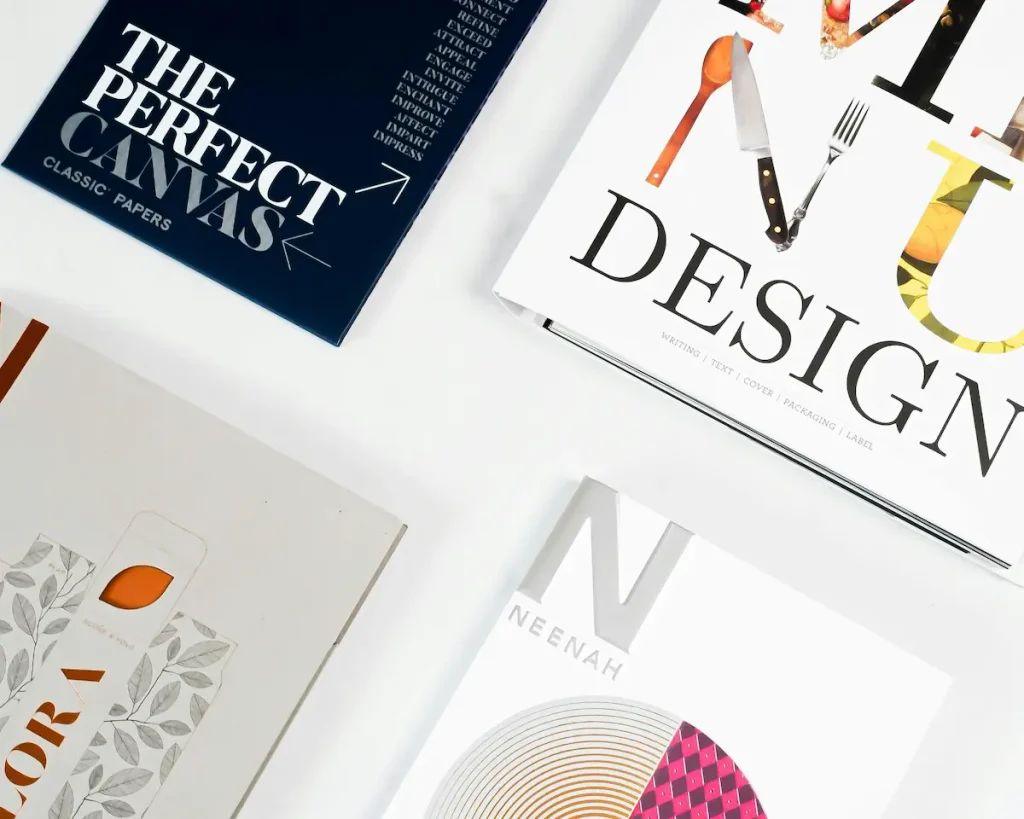
In today’s highly competitive market, branding has become one of the most essential elements of modern design. It is no longer just about creating a visually appealing logo or choosing attractive colors—branding is about building a consistent identity that communicates a company’s values, personality, and purpose.
What Is Branding?
Branding is the process of shaping how a business is perceived by its audience. It includes visual elements such as logos, typography, color palettes, and imagery, but it also goes beyond design. Branding reflects the tone of voice, messaging, and overall experience a company offers.
A strong brand creates recognition and trust. When users can instantly identify a brand and associate it with a certain quality or feeling, the design has done its job successfully.
Why Branding Matters in Modern Design
In the digital era, users are constantly exposed to content from multiple sources. This makes it harder for businesses to stand out. Effective branding helps cut through the noise by creating a memorable and cohesive identity.
Consistency is key. From websites to social media and marketing materials, every touchpoint should reflect the same visual and conceptual language. This not only improves recognition but also builds credibility.
Moreover, branding influences user perception. A well-designed brand can make a company appear more professional, reliable, and relevant.
Branding and User Experience
Branding and user experience (UX) are closely connected. A clear and consistent brand helps users navigate and understand a product or service more easily. Colors, typography, and layout choices all contribute to usability and emotional response.
For example, a minimalist design with neutral colors may communicate elegance and sophistication, while bold colors and dynamic layouts can suggest creativity and energy.
The Role of Designers in Branding
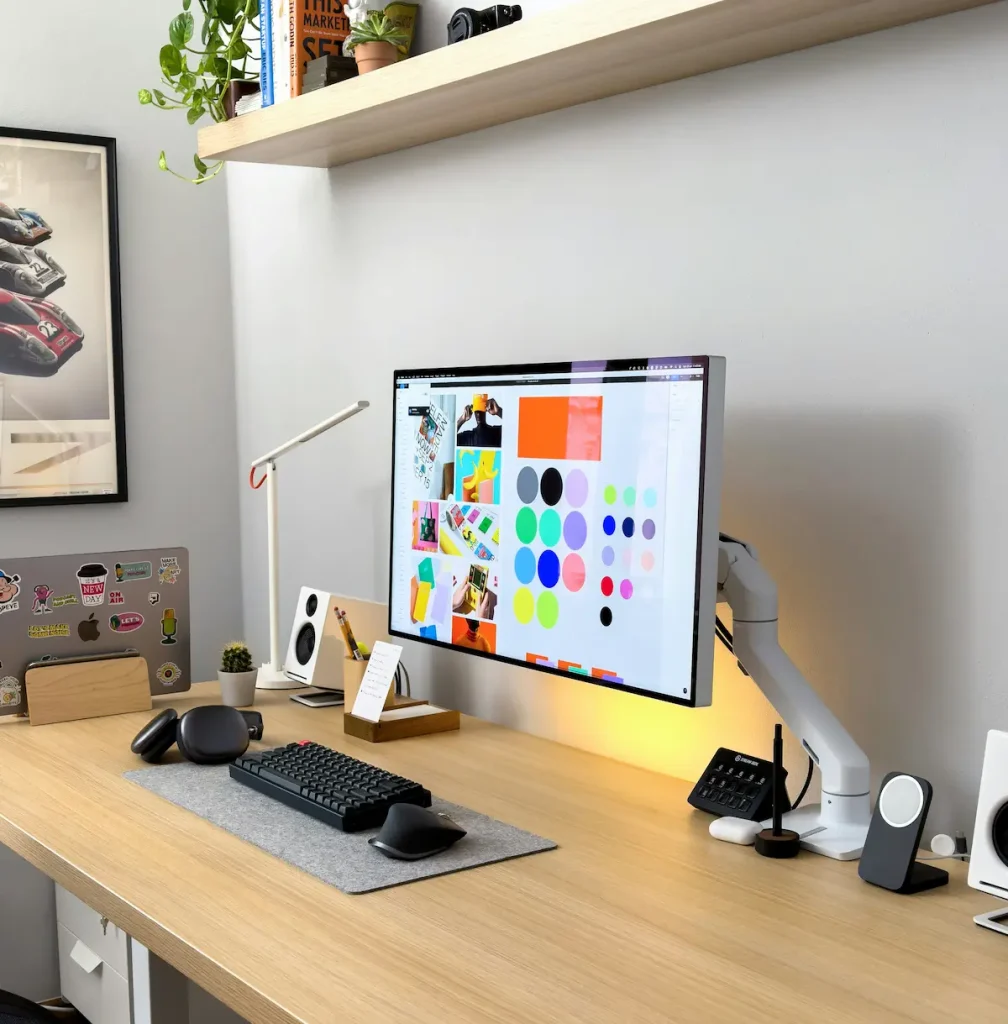
Graphic designers play a crucial role in shaping brand identity. Beyond aesthetics, designers must understand the brand’s goals, target audience, and market positioning. This allows them to create visual solutions that are not only attractive but also strategic.
Designers are responsible for translating ideas into visual systems that can be applied consistently across different platforms and formats.
Conclusion
Branding is a fundamental part of modern design. It goes beyond visuals to create meaningful connections between businesses and their audiences. In a world where first impressions matter more than ever, investing in strong and consistent branding is essential for long-term success.